Gamification for loyalty programs members don't quit
Points, streaks, tiers and rewards wired into your app, and a redemption flow that works when a member goes to use them.
Typically ships in 4–8 weeks
What is gamification?
Gamification adds game mechanics — points, levels, streaks, quizzes and rewards — to a product or programme you already run, so the real actions inside it earn something and people come back.
Gamification is the practice of layering game mechanics — points, streaks, tiers, quizzes, badges and rewards — onto a product, service or campaign so that ordinary actions like signing up, completing a lesson or making a repeat purchase feel like progress worth chasing. The goal isn't entertainment for its own sake; it's to make the behaviour you already want your users to do more motivating, more visible and more habit-forming.
Gamification is not a game. A game is a self-contained destination people open to play; gamification is a system that wraps around something else — your app, your loyalty programme, your onboarding flow — and rewards the real actions that happen there. If users have to leave your product to play, that's a branded game or an advergame. If the mechanics live inside your product and reinforce its core loop, that's gamification.
Choose gamification when your challenge is retention, repeat engagement or behaviour change over weeks and months rather than a single burst of attention. It works best where there's a measurable action to reward and a reason to come back — onboarding you want people to finish, a loyalty programme you want them to climb, training you want them to complete. If you instead need reach or virality from a one-off campaign, an advergame is the better fit.
- Repeat engagement over time
- Quantifiable loyalty (points/tiers)
- Plugs into your CRM/loyalty stack
Why members quit loyalty programs
We read a year of app-store reviews for the rewards apps of major US restaurant, retail and pharmacy brands. Members rarely write about the games. They write about what happens when they try to use what they've earned.
-
The reward fails at the till
The most common complaint by far: a reward that won't redeem, an app that blocks it at checkout, points that never arrive.
What we build: a redemption flow that's tested as hard as the game, with points credited on the spot and a visible record of every earn.
-
Taking back what was earned
Expiry, devaluation and quietly worse deals come up less often, but they're what make members say they're leaving.
What we build: expiry warnings before points lapse, grace windows on streaks, and changes announced up front instead of discovered at checkout.
-
Hidden conditions
Rewards with fine print members only find when the reward doesn't apply.
What we build: rules shown inside the progress view, so what a reward needs is visible before it's chased.
-
Games on top of a broken basic
Challenges and streaks barely come up in reviews. A game layer can't carry a program whose rewards don't work.
What we build: mechanics that sit on a reliable earn-and-redeem core, each one pointing at the next reward a member can actually use.
Where gamification pays off
-
Loyalty & retention
Points, streaks and tiers give customers a reason to return and a ladder to climb — converting one-time buyers into regulars whose next purchase is already in motion.
-
Onboarding & activation
Turn a multi-step setup into a progress bar with milestones and rewards, so more new users reach the moment they first get value instead of dropping off halfway.
-
Training & certification
Quizzes, badges and completion streaks make internal training or partner certification something people finish, with progress you can audit and report on.
-
Channel-partner programs
Leaderboards and tiered rewards motivate resellers and distributors to hit targets, with standings that update in real time and keep the top of the table competitive.
-
Community & UGC
Reputation points, levels and unlockables reward the contributions that keep a community alive — reviews, answers, referrals — so your most valuable users stay active.
Three ways to gamify
Loyalty systems
Points, streaks and tiers that reward people for coming back. Every qualifying action earns balance, and climbing a tier unlocks better perks — so progress is always visible and the next reward always feels within reach. A drinks brand might grant points per purchase that ladder up to free products and early access.
Quizzes
Knowledge, personality and poll formats that turn attention into data. Players get an instant, shareable result while you capture preferences and segment your audience. A skincare brand can run a 'find your routine' quiz that recommends products and feeds the answers straight into your CRM.
Rewards
Prize draws, spin-to-win and unlockables that give every action a payoff. Randomised and guaranteed rewards keep the loop exciting and give people a reason to act now rather than later. Think a daily spin that drops discount codes, or unlockables that reveal after a streak of visits.
Not sure which mechanic your idea needs?
Idealloy is the tool we use to think one through. Combine mechanics, see what the mix is actually made of, and set two directions side by side to work out which one your idea wants — before anyone writes a line of code.
Mechanics we can build your game on
Working demos you can play now, on desktop or phone. Each one is a mechanic we designed and built end to end — tell us your goal and we’ll build you a game of your own, with its art, its rules and its reward made for your brand.
- PLAYABLE DEMO
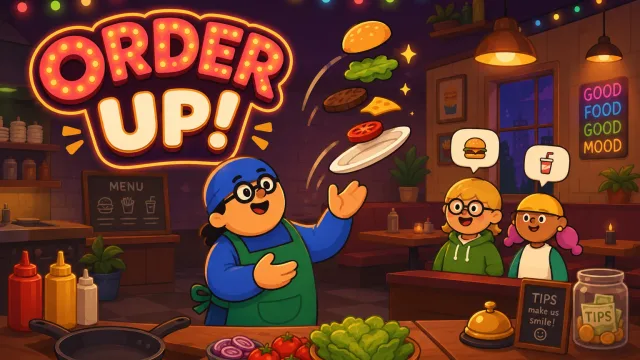
Cooking · Slide to catch · Web
Order Up!
Guests order, ingredients drop from the ceiling and you slide the pan to build each ticket bottom-up. Tips from one shift buy the boosts for the next — the one format here with a real economy behind it.
- PLAYABLE DEMO
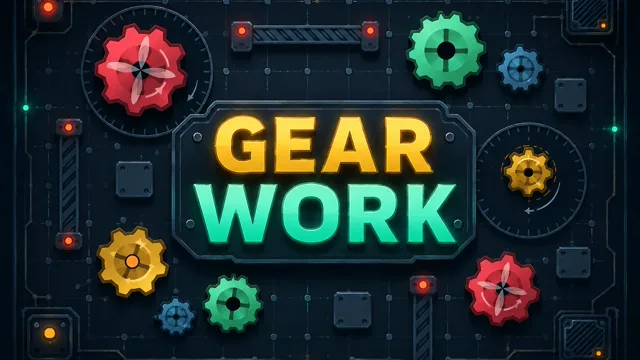
Logic puzzle · Tap to place · Web
Gear Work
Drop gears to carry the drive from the motor to the output — but every gear turns the next one the other way. Turntables, gates and a points economy across generated levels: a puzzle people come back to daily.
From brief to launch in four steps
One team, one timeline — from first call to a live game you can measure.
Discovery
We learn your goals, audience and KPIs, then map the right game mechanic.
Design
Concept, art direction and playable loop — signed off before a line of code.
Build
We build and QA across web, mobile and social — production-grade, not a prototype.
Launch & measure
Go live, track plays and conversions, and iterate on the data.
See gamification at work
Real gamification programs we've shipped — turning 1 time user into regular customer.
Gamification — your questions, answered
- What are some famous examples of gamification?
- Duolingo is the classic case — daily streaks, XP, leagues and lives turn language practice into a habit millions keep up. Starbucks Rewards uses Stars, tiers and bonus challenges to drive repeat purchases, while Nike Run Club layers achievements, milestones and challenges over ordinary runs to keep people coming back. Others worth studying include LinkedIn's profile-strength meter, Fitbit's badges and step streaks, and Khan Academy's points and mastery levels — each rewards a real behaviour rather than being a standalone game.
- What's the difference between gamification and a game?
- Gamification layers game mechanics (points, streaks, rewards) onto your existing product; a game is the destination itself. With gamification the reward reinforces a real action inside your app — a purchase, a lesson, a login — rather than existing as standalone entertainment.
- How do you keep users engaged over time?
- Progress, streaks, tiers and timely rewards give people a reason to return — tuned to your retention curve. We design the loop so the next reward always feels reachable and lapsing users get nudged back before they churn.
- Does gamification work for B2B?
- Yes — onboarding, training, certifications and channel-partner programs all respond well to the right mechanics. B2B audiences care about status, mastery and standing among peers, which leaderboards and tiers map onto cleanly.
- How are points and rewards tracked?
- A rules engine tracks actions, balances and tiers; everything is auditable and exportable. You can see exactly why any user earned what they did, and export the ledger for finance or compliance.
- Can you integrate with our existing CRM/loyalty platform?
- Yes — we connect to your CRM, loyalty or CDP via API so points and identities stay in sync. Users keep one identity across systems, and the mechanics read and write to the stack you already run.
- How long does it take to launch?
- Most gamification builds ship in 4–8 weeks, and where you land in that range depends on how deep the integration goes. A focused mechanic — a quiz, a spin-to-win, a points system — is at the fast end. A multi-tier loyalty programme with CRM integration and an admin dashboard runs to the longer end. We usually launch a first version fast, then tune the mechanics against real engagement data.
- What do you need from us to get started?
- The behaviour you want to drive, access to the product or campaign it lives in, and whatever brand assets and reward inventory apply. If we're integrating, API access or a point of contact on your engineering side; if we're rewarding purchases, the rules for what earns what.
- Who owns the system and the data once it's built?
- You do. The mechanics, the configuration and all user and points data belong to you, and we hand over everything needed to run or extend it. We can stay on for ongoing tuning, but you're never locked in.
- Can we change the rewards and rules after launch?
- Yes — the rules engine is configurable, so you can adjust earn rates, add tiers, run limited-time multipliers or swap rewards without a rebuild. Most clients tune continuously as they learn what their audience responds to.
Want to gamify your product or platform?
Tell us where engagement drops — we'll build the loop that fixes it.
Typically ships in 4–8 weeks